
Overheating Warnings Start With Neglected Coolant Systems
Radiator Flushes in Waukesha for preventing engine overheating and removing corrosion from cooling passages
Apex European Motorsports LLC provides radiator flush services for European vehicles that rely on precise cooling system function to prevent overheating during stop-and-go traffic and sustained highway speeds. Your cooling system circulates coolant through engine passages, the radiator core, the heater core, and often a separate transmission or turbo cooler, removing combustion heat and maintaining operating temperatures within the narrow range required for proper fuel trim, ignition timing, and emission control. When coolant ages, it loses corrosion inhibitors that protect aluminum and steel components, and deposits build up inside passages, restricting flow and reducing heat transfer efficiency.
Radiator flushes remove old coolant along with rust particles, scale buildup, and contamination that accumulates as coolant degrades. The service involves draining the existing fluid, circulating a cleaning solution through the system to dislodge deposits, flushing with clean water, and refilling with coolant formulated for European engines that use mixed-metal construction and high-pressure cooling circuits. This maintenance protects water pumps, thermostats, and radiator cores from corrosion and blockage that lead to localized overheating and component failure.
If your vehicle has not had a coolant service in the past three years or if the coolant appears rusty or discolored, schedule a radiator flush to prevent overheating before summer temperatures increase engine load.
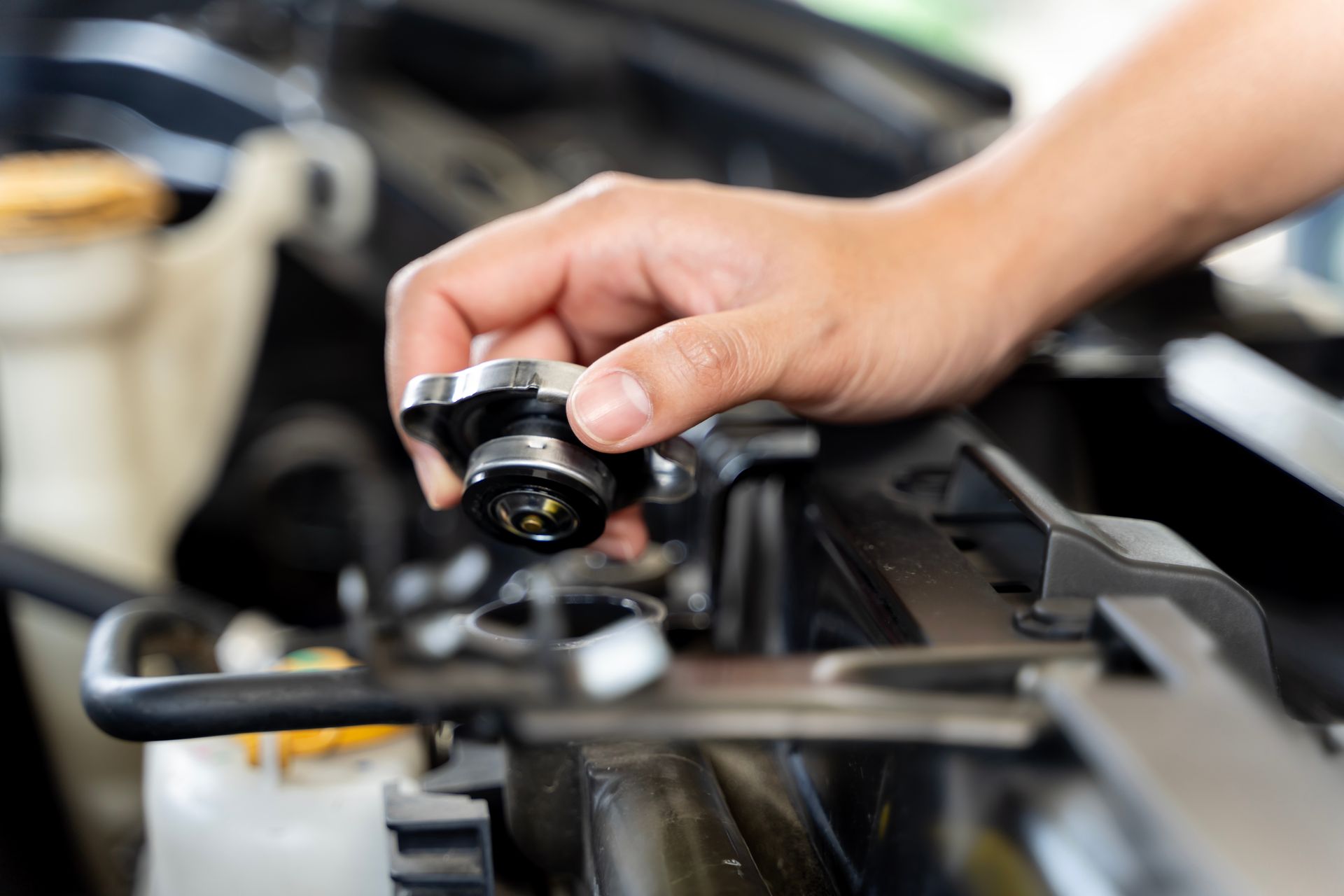
Flushing Removes Contaminants That Block Heat Transfer
You bring the vehicle in for cooling system maintenance, and technicians drain the radiator and engine block, then use a flush machine that circulates cleaning solution through the entire cooling circuit, including the heater core and any auxiliary coolers. The machine reverses flow direction to dislodge buildup from radiator tubes and engine passages, and sensors monitor fluid clarity until discharge runs clean. After flushing, the system is refilled with pre-mixed coolant that matches the ethylene glycol or propylene glycol base required by your vehicle's materials, along with additive packages that prevent cavitation corrosion in aluminum cylinder heads and electrolysis in dissimilar metal junctions.
After a radiator flush, you will notice that operating temperature remains stable during idling and hard acceleration, that the heater produces consistent warmth during cold weather, and that coolant level stays constant between service intervals without requiring frequent top-offs. Apex European Motorsports LLC uses coolant formulations that meet European OEM specifications for boiling point, freeze protection, and pH balance, which prevents the scaling and corrosion common when incorrect coolant types are mixed or when coolant remains in service beyond its effective lifespan.
Neglected coolant systems develop blockages that restrict flow through narrow radiator tubes and small engine passages, causing localized hot spots that warp cylinder heads, crack engine blocks, or overheat turbochargers. Routine radiator flushes remove these contaminants before they accumulate to levels that reduce cooling capacity or damage seals and gaskets exposed to excessive heat cycling.
Common Questions About Cooling System Maintenance
Drivers often ask how frequently coolant should be replaced and whether topping off the reservoir is sufficient. The following questions address cooling system service and the consequences of delayed maintenance.
What happens to coolant as it ages inside the engine?
Coolant additives deplete over time, and the fluid becomes acidic, which corrodes aluminum components and allows rust to form on steel surfaces. Suspended particles circulate through the system, clogging small passages and reducing flow through the radiator core and heater core.
How does a radiator flush differ from draining and refilling?
A drain and refill removes only the coolant in the radiator and accessible portions of the engine, leaving contaminated fluid in the block, heater core, and hoses. A flush circulates cleaning solution through the entire system, dislodging deposits and removing nearly all old coolant before refilling.
When should coolant be replaced even if the level appears normal?
Coolant degrades chemically regardless of level, so even if no leaks exist, the fluid should be replaced at intervals specified by the manufacturer, typically every three to five years. Degraded coolant loses freeze protection, boiling point elevation, and corrosion resistance.
Why do European engines require specific coolant formulations?
European cooling systems often use aluminum radiators, magnesium engine blocks, and high-pressure designs that demand coolant with precise additive packages to prevent galvanic corrosion, cavitation erosion, and seal degradation under sustained high-temperature operation common in Waukesha climate extremes.
What are the signs that a cooling system needs flushing?
Coolant that appears rusty, milky, or brown indicates contamination and additive depletion. If the engine runs hotter than normal, if the heater output weakens, or if you see white residue around the radiator cap, the coolant has degraded and should be replaced.
Cooling system neglect leads to overheating that warps cylinder heads and damages head gaskets, requiring repairs far more costly than routine radiator flushes. Contact Apex European Motorsports LLC in Waukesha to include coolant service in your vehicle's maintenance schedule before contamination reduces cooling efficiency.