Engine Wear Accelerates When Oil Service Is Delayed
Oil Changes and Fluids in Waukesha for lubricating engine internals and maintaining transmission, brake, and cooling system performance
Apex European Motorsports LLC performs oil changes and fluid services for European vehicles that depend on specific lubricant formulations to protect high-revving engines, dual-clutch transmissions, and hydraulic systems operating under sustained load. Engine oil lubricates crankshaft bearings, piston rings, camshaft lobes, and turbocharger shafts, while suspending combustion byproducts and preventing metal-to-metal contact during cold starts and high-temperature operation. As oil circulates, it degrades from heat, fuel dilution, and contaminant accumulation, losing viscosity and its ability to form a protective film on moving surfaces.
Routine oil changes remove degraded oil and replace the filter that traps metal particles, carbon deposits, and dirt. Fluid services extend beyond engine oil to include transmission fluid that controls shift quality, brake fluid that maintains pedal feel and boiling resistance, coolant that regulates engine temperature, and differential fluid that protects gears under torque. Each fluid has a service interval based on thermal stress and contamination rates, and using fluids designed for European vehicles ensures compatibility with the materials and operating conditions these systems were engineered around.
If your vehicle is approaching the mileage or time interval listed in the service manual, schedule an oil change and fluid inspection to keep lubrication and hydraulic systems functioning as designed.
Proper Fluids Extend Component Life and System Reliability
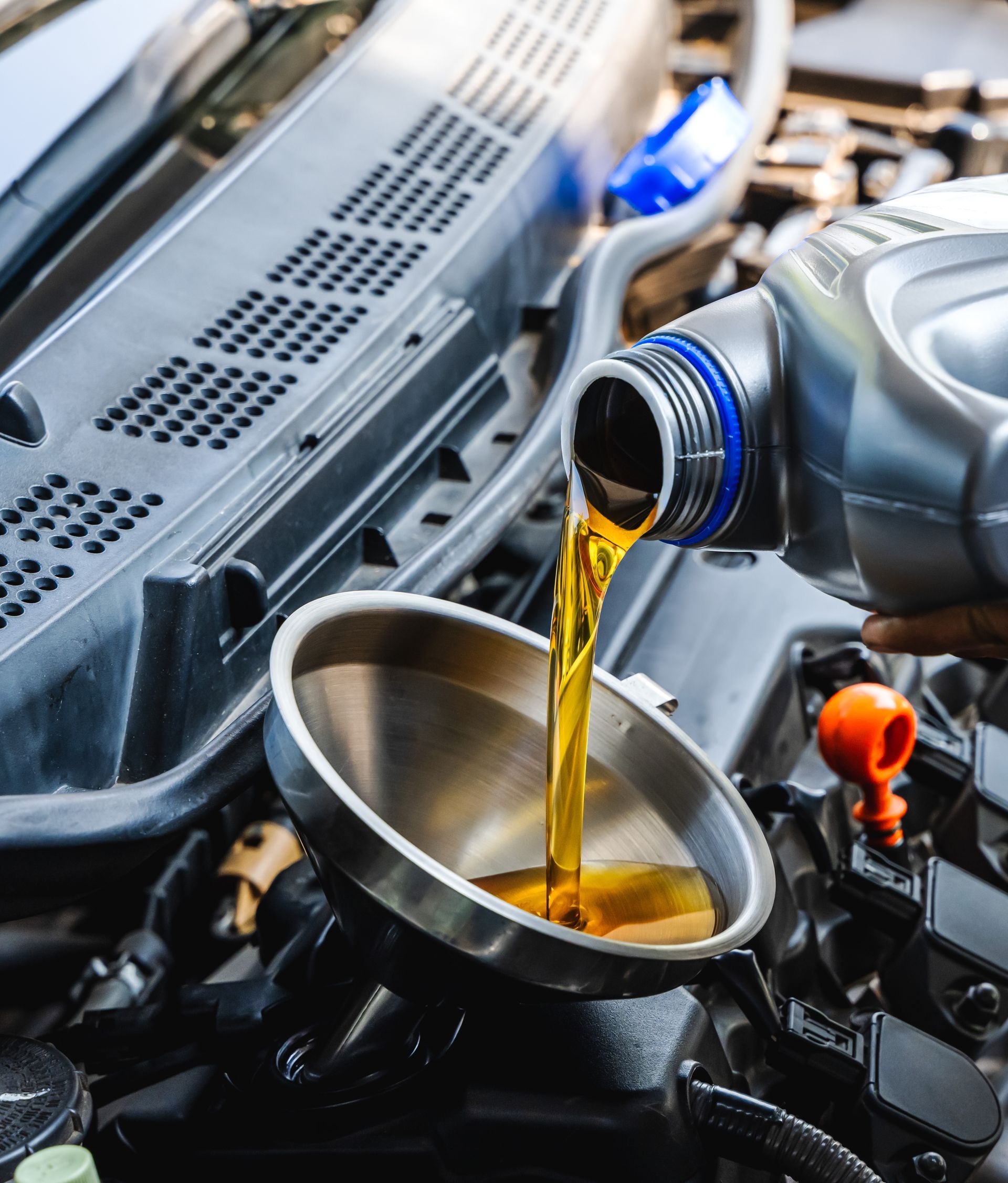
You bring the vehicle in for routine maintenance, and technicians drain the engine oil, replace the filter with one that meets filtration micron ratings for your engine, and refill with synthetic oil formulated to the ACEA or API specification required by the manufacturer. At the same time, fluid levels are checked for the transmission, brake reservoir, coolant overflow, power steering if hydraulic, and differential if applicable. Technicians inspect fluid condition for color changes, contamination, or odor that indicates degradation, and fluids showing signs of breakdown are replaced to prevent damage to the components they protect.
After an oil change, you will notice quieter engine operation during cold starts, smoother acceleration as internal friction decreases, and stable oil pressure across the RPM range. Apex European Motorsports LLC stocks oil and fluids that meet European OEM approvals such as VW, BMW, Mercedes-Benz, and Audi specifications, which means additives, viscosity grades, and base stock quality match the tolerances and thermal demands of engines designed for autobahn speeds and direct-injection fuel systems.
Fluid maintenance supports the proper function of many vehicle systems because degraded transmission fluid causes harsh shifts, old brake fluid absorbs moisture and lowers boiling points, and contaminated coolant corrodes internal passages. Regular oil changes prevent sludge buildup that clogs oil passages and starves components like variable valve timing actuators and turbocharger bearings, which rely on pressurized oil flow to operate correctly.
Fluid Service Questions and Maintenance Intervals
Drivers often wonder whether extended oil change intervals advertised by quick-lube chains apply to European vehicles. The following questions clarify how fluids degrade and why service intervals matter.
What makes European engine oil different from conventional oil?
European engines often use direct injection, turbocharging, and tight piston-to-cylinder tolerances that generate higher combustion pressures and temperatures. Oils must resist thermal breakdown, prevent low-speed pre-ignition, and meet ash content limits that protect particulate filters and catalytic converters.
How often should transmission fluid be changed?
Service intervals vary by transmission type, but dual-clutch systems and automatic transmissions typically require fluid replacement every 40,000 to 60,000 miles to remove clutch material particles and restore hydraulic properties degraded by heat cycling common in stop-and-go driving around Waukesha.
When does brake fluid need replacement?
Brake fluid is hygroscopic and absorbs moisture over time, which lowers its boiling point and causes corrosion inside brake calipers and ABS modules. Most manufacturers recommend replacing brake fluid every two to three years, regardless of mileage.
Why does oil turn black so quickly in diesel engines?
Diesel combustion produces soot that suspends in the oil, turning it dark within a few hundred miles. This is normal and indicates the oil is doing its job by keeping contaminants in suspension rather than allowing them to settle and form deposits on engine surfaces.
What happens if the wrong oil viscosity is used?
Incorrect viscosity affects oil pressure and flow rates, which can starve components during cold starts or allow excessive clearance at high temperatures. European engines with variable valve timing and hydraulic chain tensioners require precise viscosity to maintain proper actuator response and chain tension.
Regular oil changes and fluid services protect the expensive components European vehicles use to deliver performance and efficiency. Reach out to Apex European Motorsports LLC in Waukesha to schedule maintenance that keeps your vehicle operating reliably between service intervals.